ABOUT: slow ink (2025-26) funded by the CBRM catalyst fund explores creating paint and ink using natural material. This project came out of living with a quagmire of chronic health issues while exploring themes of consumerism, craft and the natural world. In all these cases, the lesson to slow down is repeated to me again and again. Over the better part of a year, I played with a variety of natural material to make ink, play with colour & create a series of postcard prints printed by the ever talented Merrideth MacDonald.
Read more about the project below.
Looking to try making ink yourself? Check out Tanya Val’s online diary of inkmaking or Jason Logan’s book Make Ink: A Forager’s Guide to Natural Inkmaking.
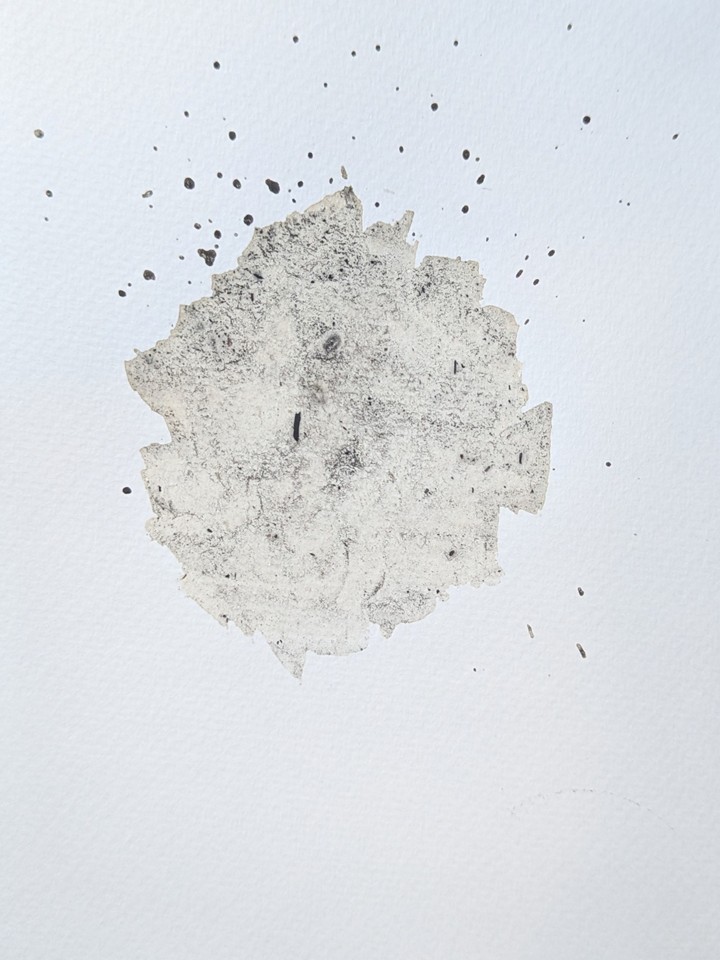
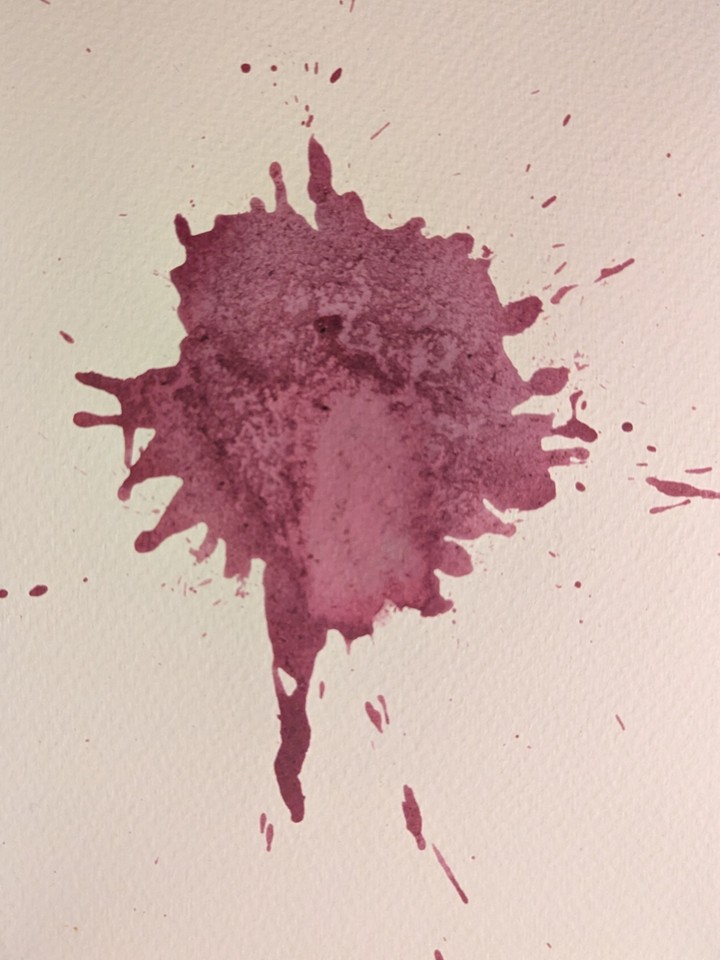
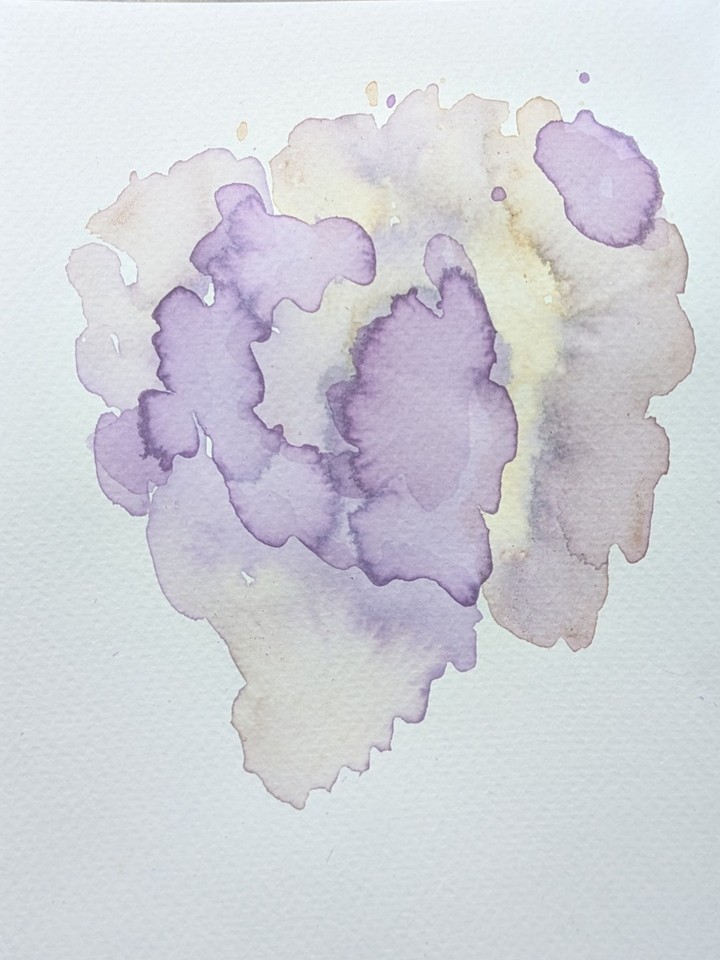
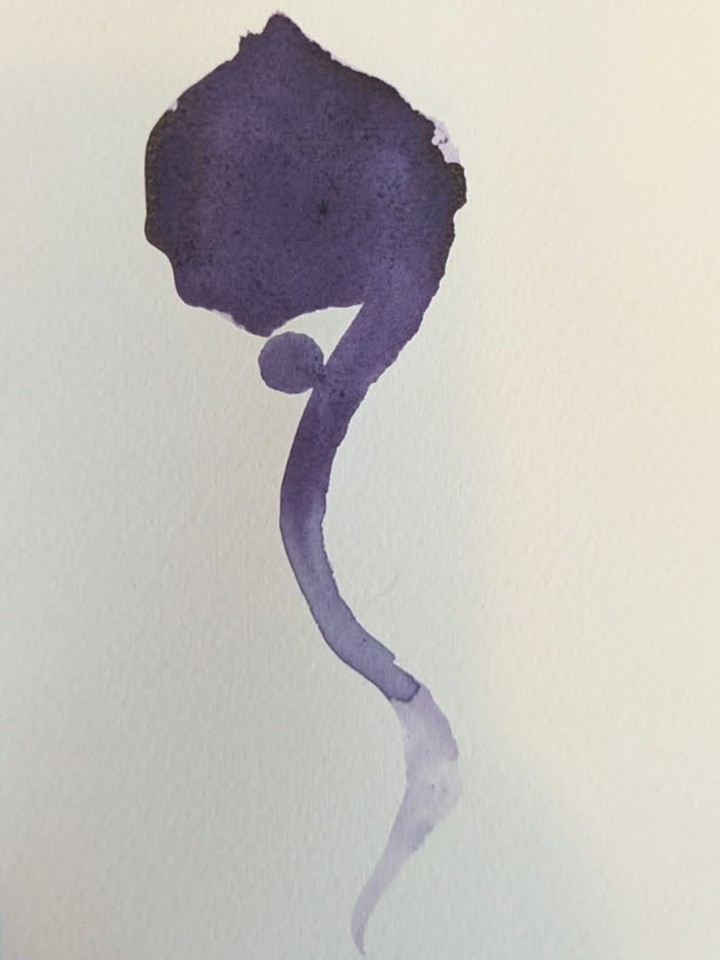
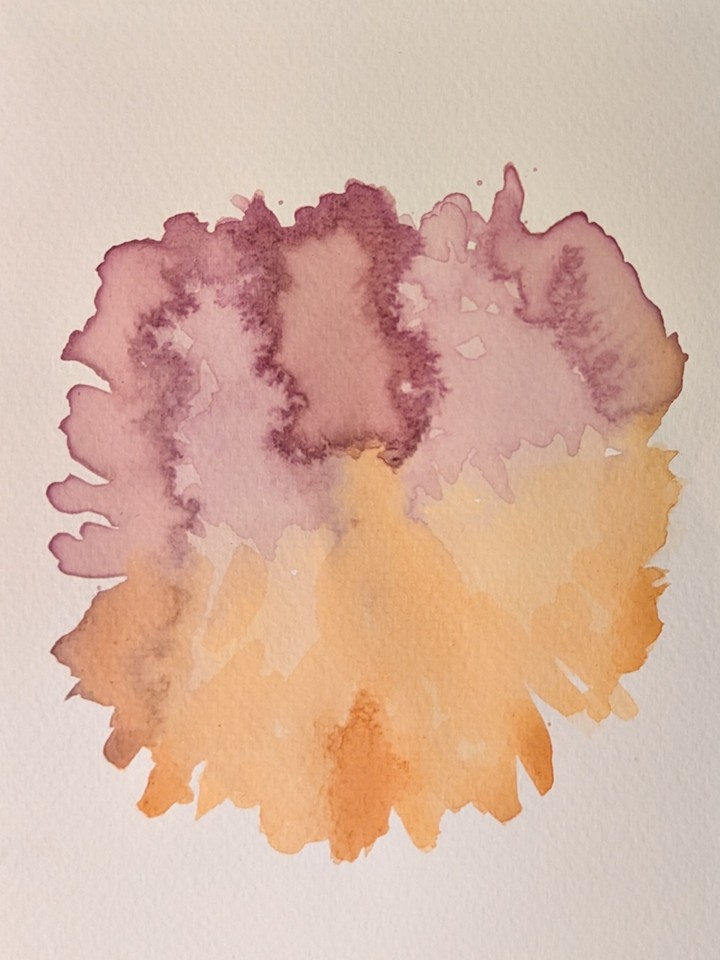
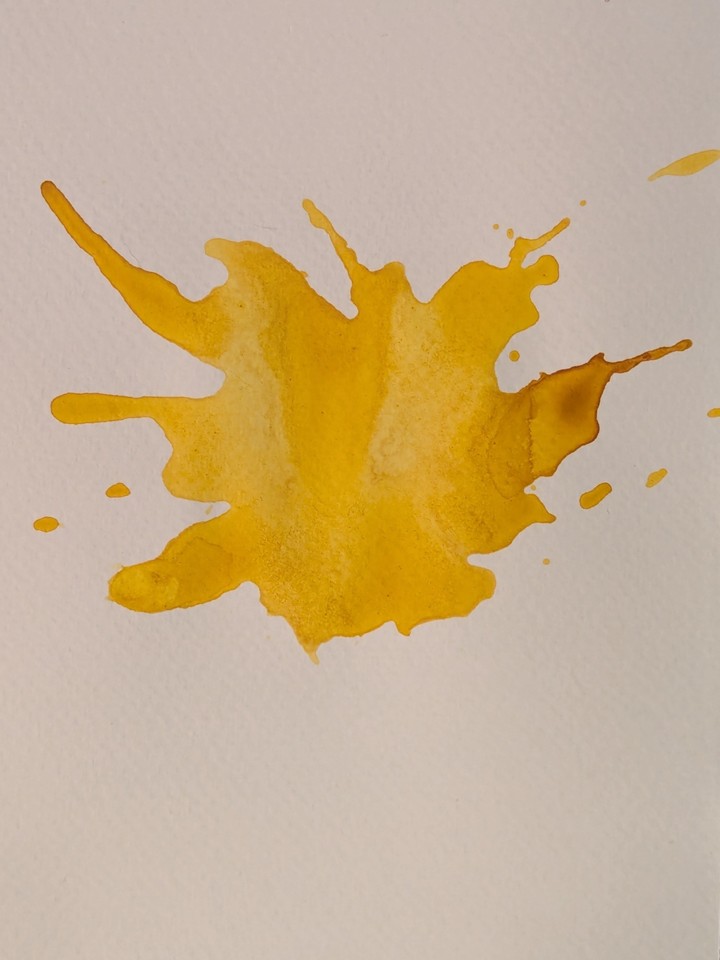
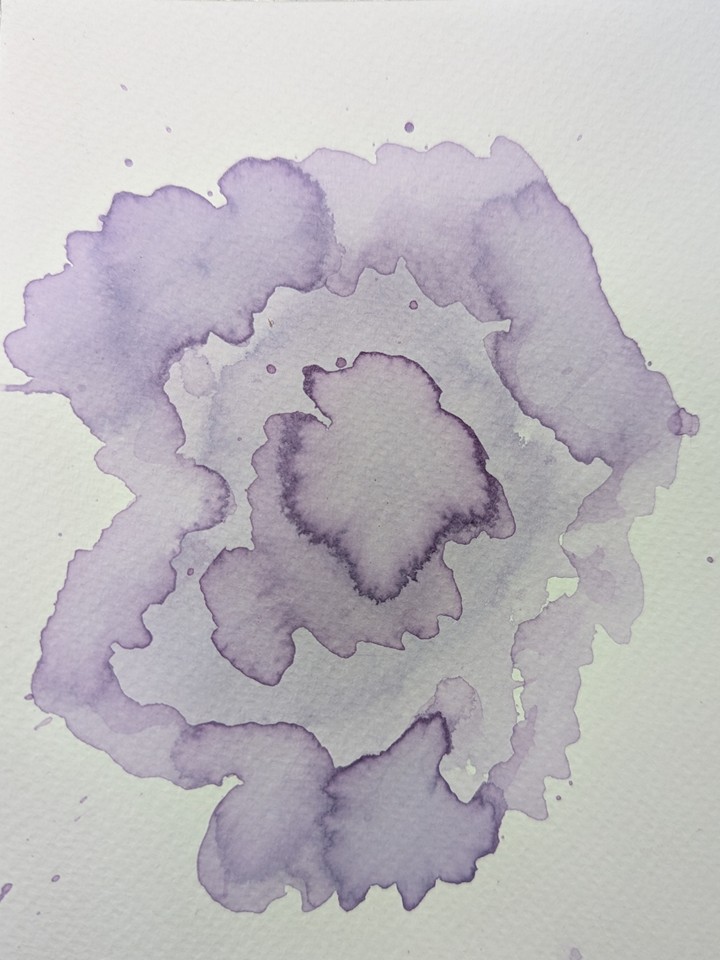
BACKGROUND: As a recovering spendthrift, I have been slowly untangling myself from overconsumption, trying to stop myself from buying things for the sake of buying things. Last year (2025), I started looking at my crafting hobbies and the supplies I had assembled . I was overwhelmed by what I had managed to collect. (A result, I suspect that partially had to do with turning 30 during the pandemic). As I painstakingly went through boxes of supplies, I committed to rethinking how I was engaging with crafting, repeating the reminder from my ever wise bud, Brittany Fagan-Steele, “ we use what we have”. I began reading about switching from just buying craft supplies to getting back to actually making things. (Check out Green Girl Leah’s When Craft Becomes Overconsumption to learn more). I rediscovered that the joy of creating things with my hands had become such a critical, grounding anchor in my life in the wake of health issues and a world on fire. So, with a commitment to help both my wallet and the environment, I sorted through my collection and began to use what I had.
I was brought back to ink and watercolour. I have been using watercolour and ink as a meditative practice, one of my first steps to slow down my racing brain. Through brush movements and colour I remembered how to simply follow a vibe without rushing. I slowly began to detach from screens and realized the intense pull those screens had on me (the rush, the activating false sense that I was doing something as I scrolled, another form of consumption, spending my time and attention). Craft returned me to the analogue, its physicality, the joy of paper and ink. Hands sticking with glue, collaging, ink stained fingers, the pleasure of playing with new things. I thought, what if I tried to make the ink? So began the initial seed for slow ink.
PLANNING & PIVOTS: For this project I planned to forage around the island during the spring and summer and collect different parts of nature. I was greatly helped by Jason Logan’s book Make Ink: A Forager’s Guide to Natural Inkmaking which focused on the experimental joy of place and foraging to make ink. I was brought back to being younger, my grandmother taking me, my sister and my cousin out to New Victoria where we would spend the afternoon down by the ocean to pick blueberries. What if I made ink that was connected to places that had meant a lot to me growing up? That connected me to that childhood wonder you get with the outside world?
A sweet idea that was not to be. In my planning, I forgot how life limiting my chronic health issues are and hadn’t realized the extent they would impact the project. I have limited energy and mobility that is made worse in the heat. I would not be able to forage outside as I had first dreamed.
To make matters worse, the summer of 2025 was unseasonably hot with little rain causing forest fires and drought. The provincial government banned anyone from walking in forested areas. The days passed without hikes, the evenings went by without bonfires. While I was mourning my personal isolation from the natural world due to health issues, there was an eerie mirror, a twinning of everyone else’s grief across the province being denied access to outside places.
The project continued, however. I was able to order food from the Cape Breton Food Hub, which connects local producers with local consumers. I was able to engage with natural things made in the province, albeit in a different way than intended. My blueberries came from East Coast Wild Blueberry instead of New Victoria but they were the same small, wild jewels of bliss.
And so throughout the spring, the summer, the fall and winter I made ink.
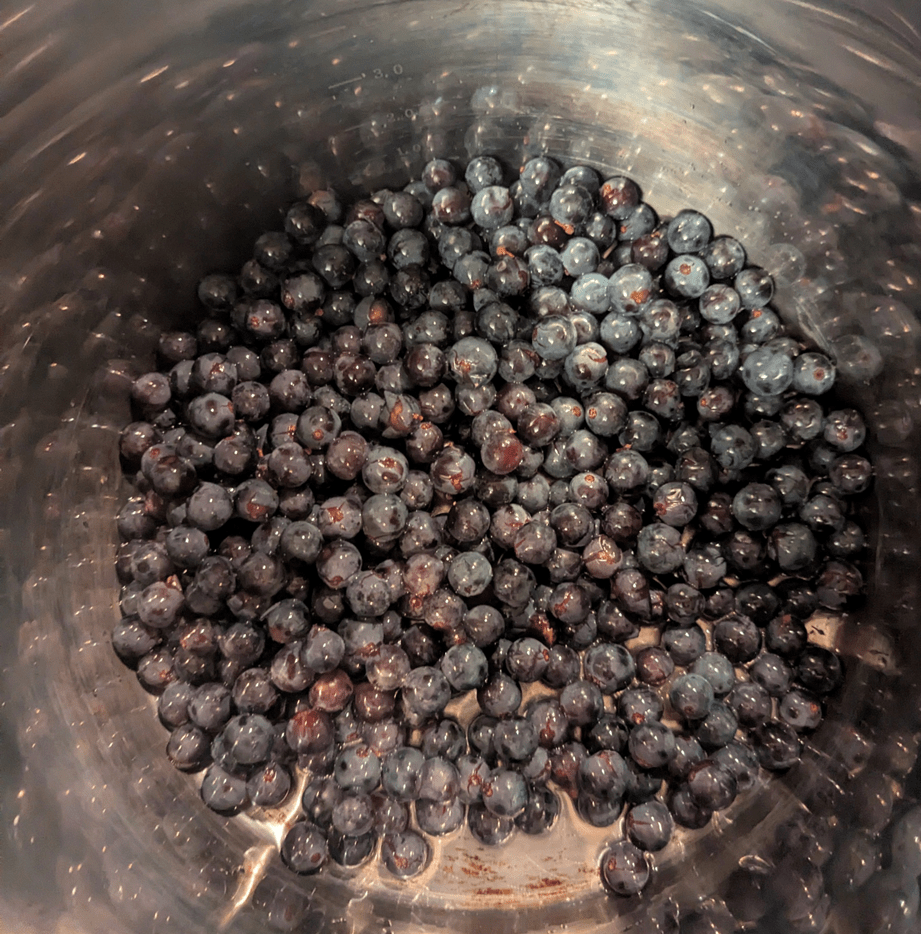
I would often make the ink in the evenings, when the sun went down. Turn off the big overhead lights and let a small lamp lead the way as I stirred and boiled, mashed and strained. Berries were rich and yielded bold results, including a few stained fingers and one stained shirt. Lilacs and flowers were faint and fleeting. Cabbage and yellow onion were a joy to paint with, acting the most like watercolor. It was experimental without a set goal, a sense of play and fun.
I began feeling a certain magic, a connection to my inner child. It reminded me of playing with sticks and mud to make ‘potions’ when I was young. The house would smell like berries and I would be sweaty and sticky. A similar feeling to having spent the time outside. It did not make the terror of the world go away. But it connected me deeply with making and magic and the wonder of nature. It kept a small spark inside of me, something, perhaps, akin to hope.
This project was made possible through the funding of the CBRM Catalyst Fund.
 inkblot_xo